
Category: Recommendations

  • Experiences Every Couple Should Try at Least Once

    Experiences Every Couple Should Try at Least Once

    A relationship becomes richer through the experiences two people collect along the way. Familiar routines bring comfort, but trying something new together can introduce a different kind of excitement. It gives couples an opportunity to discover shared interests, learn about each other’s personalities, and create memories that stand apart from everyday life.

    One experience worth trying is travelling somewhere without choosing the destination entirely around familiar preferences. It could be a small town nearby, a coastal village, or a city neither person has visited before. Exploring unfamiliar streets, discovering local cafés, and finding interesting places along the way can make even a short trip feel like a proper adventure. The best part is often the collection of little discoveries rather than the number of attractions visited.

    Taking a creative class together is another enjoyable idea. Pottery, painting, photography, cooking, or even learning a musical instrument can offer a refreshing change from ordinary activities. Neither person needs to be particularly talented. In fact, approaching something as complete beginners can make the experience more entertaining. You get to experiment, exchange ideas, and appreciate the results of your efforts together.

    For couples who enjoy nature, spending a night somewhere away from familiar surroundings can be especially memorable. A countryside cabin, a small guesthouse near a lake, or a camping trip under the stars offers an opportunity to enjoy a slower pace. Preparing food outdoors, watching the sunset, and waking up to a different view can make a simple getaway feel surprisingly special.

    Another experience worth sharing is attending a live cultural event. It might be a concert, a theatre performance, an outdoor cinema screening, or an art exhibition. Choosing something outside your usual preferences can be particularly interesting. One partner might discover a new favorite musician, while the other develops an appreciation for an unfamiliar art style. Sharing these discoveries adds variety to the relationship.

    There is also something rewarding about working toward a small project together. You could create a photo album, redesign a corner of your home, grow a collection of plants, or prepare a meal inspired by a country you would like to visit. A shared project encourages cooperation and gives both people a sense of participation. It can also become a lasting reminder of the time and imagination invested in it.

    Not every experience needs to be adventurous or expensive. Sometimes, trying something as simple as waking up early to watch the sunrise, visiting a farmers’ market, or spending an entire afternoon exploring a museum can be equally enjoyable. What matters is approaching the activity with curiosity and giving yourselves the opportunity to experience something different.

    It is worth remembering that couples do not have to enjoy every activity in exactly the same way. One person might love the creative process, while the other enjoys the atmosphere or the opportunity to spend time together. These differences are part of the experience.

    Trying new things together is not about collecting achievements or following a list of activities everyone should complete. It is about staying open to possibilities and discovering what makes life enjoyable for both people. Sometimes, an unfamiliar experience becomes a new shared tradition, while other times it simply gives you a wonderful story to remember. Either way, the time spent discovering something together is valuable in itself.
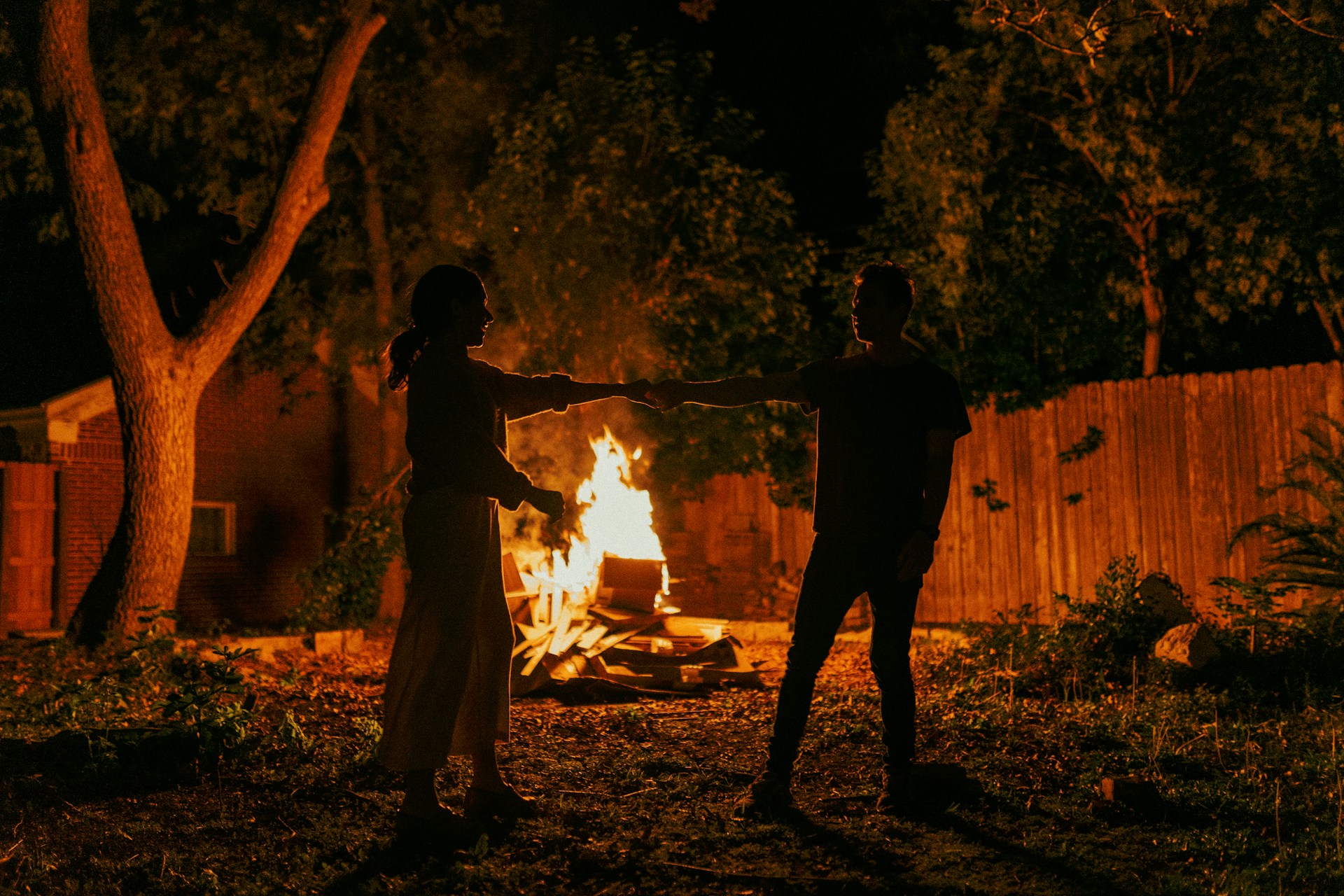

  • Films That Remind Us What Love Can Look Like

    Films That Remind Us What Love Can Look Like

    Films have a wonderful ability to show relationships from different perspectives. Through memorable characters, thoughtful dialogue, and carefully created stories, cinema can explore the many ways people express affection, build trust, and find happiness together. Some films make us smile, others encourage reflection, and a few leave us thinking about their characters long after the credits have finished.

    One reason romantic films remain so popular is that love rarely looks exactly the same from one story to another. In some movies, it develops through friendship and shared interests. In others, two people discover how much they have in common despite their different personalities. These stories remind us that there is no single formula for a meaningful relationship. Every connection has its own rhythm, experiences, and little details that make it unique.

    Films can also highlight the importance of everyday gestures. A character remembering a small detail, making time for someone, or choosing to share an experience can communicate more than a dramatic declaration. Such moments feel familiar because they reflect the ways affection often appears in real life. They remind viewers that meaningful relationships are built through attention and genuine interest, not simply through impressive occasions.

    Another interesting aspect of romantic cinema is the way it portrays different stages of a relationship. Some stories focus on the excitement of discovering someone new, while others explore the comfort that develops between people who have shared many experiences. Watching these different perspectives can encourage us to think about what we appreciate in our own relationships. Perhaps it is the ability to laugh together, the freedom to be ourselves, or the feeling of having someone who understands our interests.

    There are also films that explore love through shared adventures. Two characters might travel somewhere unfamiliar, discover a new passion, or experience an unexpected change in their everyday routine. Their journey becomes an opportunity to learn more about one another. These stories can be particularly enjoyable because they combine romance with a sense of discovery and remind us how shared experiences can create lasting memories.

    Watching films together can become a pleasant tradition in its own right. Rather than choosing something familiar every time, take turns selecting movies that reflect different tastes. One evening might be dedicated to a classic romantic comedy, while another could feature a thoughtful drama or an international film. Exploring different styles gives both people an opportunity to introduce each other to stories they might not have discovered independently.

    It can also be interesting to talk about a film afterward. Which character felt the most relatable? Was there a particular scene that stood out? Did the story offer an unexpected perspective on relationships? These conversations can reveal different opinions and sometimes lead to discussions about personal experiences.

    Ultimately, films do more than provide entertainment. They offer countless interpretations of affection, companionship, and shared happiness. The most memorable stories are not necessarily those with perfect characters or extraordinary romantic gestures. Often, they are the ones that capture something recognizable about human connection. And sometimes, discovering such a film together becomes a meaningful experience of its own.

  • Why the Most Meaningful Moments Are Often Unplanned

    Why the Most Meaningful Moments Are Often Unplanned

    Some of the memories people treasure most are not connected to carefully organized events or detailed plans. They happen unexpectedly, during an ordinary afternoon, a spontaneous conversation, or a decision to take a different route home. These moments often become special precisely because nobody was trying to make them memorable. They simply unfolded naturally, giving two people an experience they could not have planned in advance.

    Think about a day when you decide to go somewhere without knowing exactly where you will end up. Perhaps you notice an unfamiliar café, discover a beautiful street, or find a small shop that catches your attention. What begins as a simple walk can turn into an enjoyable afternoon filled with unexpected discoveries. The destination might not be particularly important. The pleasure comes from exploring something new together.

    Unplanned moments also create opportunities for genuine conversations. When people are not following a schedule or trying to complete a particular activity, they often become more relaxed. A conversation can move from a funny observation to childhood memories, favorite films, future ambitions, or completely unexpected subjects. These exchanges allow couples to discover new things about each other without the feeling of having to organize a meaningful discussion.

    There is also a certain freedom in leaving some room for spontaneity. Everyday life naturally involves responsibilities, appointments, and routines. While organization can make things easier, planning every available moment can leave little space for unexpected experiences. Occasionally deciding what to do as the day unfolds can bring a refreshing change of pace.

    For example, instead of arranging an entire weekend in advance, you might simply choose a starting point. Visit a local market, see what catches your interest, and decide where to go afterward. You could find a new place for lunch, stop at a bookstore, or take a scenic route through a nearby park. Allowing the day to develop naturally makes the experience feel more personal.

    Unplanned moments can be meaningful at home, too. Perhaps one person starts playing an old favorite song, and suddenly you find yourselves listening to music for an hour. Maybe a conversation leads to preparing an unusual dinner or looking through photographs from an earlier trip. These little changes can bring a sense of freshness to familiar surroundings.

    Of course, spontaneity does not mean that every decision must be made at the last minute. Some people enjoy having a general plan, and that is perfectly natural. The idea is simply to leave enough flexibility for something unexpected to happen. A balance between preparation and openness allows couples to enjoy both organized experiences and spontaneous discoveries.

    Perhaps the greatest value of these moments is that they remind us to pay attention to the present. Not every enjoyable experience needs a special occasion or a perfect setting. Sometimes, the most meaningful memories begin with a simple question: “Would you like to go somewhere?” And the answer becomes the beginning of a day neither person will forget.

  • Learning to Be Open Without Losing Yourself

    Learning to Be Open Without Losing Yourself

    Being open with another person is one of the most rewarding parts of a close relationship. It allows two people to share their thoughts, interests, ambitions, and personal experiences in a way that gradually builds trust. Yet genuine openness does not mean sharing absolutely everything or giving up the individuality that makes each person unique. A healthy connection leaves room for both closeness and personal freedom.

    When a relationship is developing, people often discover how differently they communicate. Some are naturally comfortable discussing their feelings, while others prefer to take their time and find the right words. Neither approach is necessarily better. What matters is creating an environment where both people feel comfortable expressing themselves without pressure to become someone they are not.

    Being open can begin with everyday conversations. Talking about something that inspired you, explaining why a particular experience was meaningful, or sharing an ambition you have not mentioned before can reveal new sides of your personality. These conversations do not need to be particularly serious. Even discussing a childhood hobby or a place you have always wanted to visit can help another person understand what makes you who you are.

    At the same time, maintaining your own interests is an important part of a balanced relationship. Spending time on personal hobbies, meeting friends, or simply enjoying an afternoon alone does not make a connection less meaningful. In fact, having individual experiences gives both partners something new to bring into their conversations. It also allows each person to continue developing their personality rather than relying entirely on shared activities.

    Another important part of openness is being able to express preferences honestly. You might enjoy quiet weekends, while your partner prefers exploring new places. Perhaps you have different tastes in music or approaches to organizing your free time. Instead of automatically adapting to every preference, it is more rewarding to talk about what each person enjoys and find opportunities to include both.

    It is equally valuable to respect the personal pace of a relationship. Some conversations happen naturally after a few weeks, while others require more time. Trust develops through repeated experiences, thoughtful attention, and the knowledge that personal information is treated with care. Allowing someone to open up at their own pace can be just as meaningful as sharing something about yourself.

    Openness also involves curiosity. Rather than assuming you already know everything about someone, continue asking questions and discovering their changing interests. People develop, learn, and sometimes change their perspectives. A relationship becomes more interesting when both partners remain willing to explore these new sides of each other.

    Ultimately, being open is not about becoming identical or sharing every part of your lives. It is about allowing another person to know you while remaining comfortable with your own identity. The most fulfilling relationships create space for two complete individuals to grow together, bringing their different experiences, ideas, and personalities into a shared life.